

Professional Ballet Certificate Program
Eight-Level Professional Training Curriculum
Program Overview
The Northern Institute of Dance Professional Ballet Certificate Program is an eight-level classical ballet training system designed to develop dancers from foundational technical understanding to professional and principal artist readiness.
The curriculum is inspired by the artistic and technical traditions of:
- Teatro Colón
- European conservatory training models
The program emphasizes:
- Classical ballet technique
- Anatomical correctness
- Artistic development
- Musicality
- Professional discipline
- Repertoire understanding
- Partnering and stagecraft
- Professional performance standards
The training structure is designed to create dancers capable of entering:
- Professional ballet schools
- International competitions
- Youth companies
- Conservatory programs
- Professional companies
- Principal repertoire environments
Professional Examiner & Artistic Advisor


Franco Cadelago
Principal Examiner
The Northern Institute of Dance Professional Ballet Certificate Program is guided by the artistic standards and examination philosophy of Franco Cadelago, internationally recognized ballet artist, educator, choreographer, and master teacher connected to the prestigious Teatro Colón.
Franco Cadelago trained at the Instituto Superior de Arte of Teatro Colón in Buenos Aires and has studied with distinguished masters including Alejandro Totto, Silvia Bazilis, Estela Herman, Guido de Benedetti, and Raúl Candal. He has also trained internationally, including studies with the American Ballet Theatre.
Credentials
Franco Cadelago video and article reference
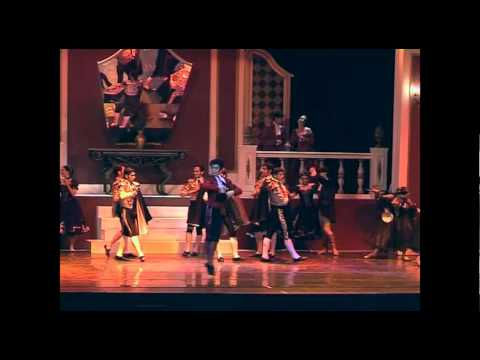
Performance videos
Program Divisions
Foundation & Development Division
Levels 1–5
This division develops:
- Ballet posture
- Placement and alignment
- Turnout
- Coordination
- Musicality
- Technical vocabulary
- Pointe preparation
- Classical discipline
- Early artistry
By the completion of Level 5, dancers are expected to demonstrate strong pre-professional foundations and corps de ballet readiness.
Professional & Perfection Division
Levels 6–8
This division focuses on:
- Technical refinement
- Virtuosity
- Performance maturity
- Professional stamina
- Advanced pointe work
- Pas de deux
- Classical repertoire
- Artistic individuality
- Professional audition preparation
By Level 8, dancers are prepared for:
- Professional auditions
- Principal repertoire
- International competitions
- Advanced conservatory environments
Artistic Direction & Examination Standards
The Northern Institute of Dance examination philosophy is guided by the artistic standards associated with Franco Cadelago, internationally recognized ballet artist, teacher, choreographer, and educator connected to Teatro Colón.
The program reflects international standards emphasizing:
- Technical precision
- Artistic sophistication
- Anatomical safety
- Musical intelligence
- Professional accountability
- Classical purity
- Performance excellence
Eight-Level Curriculum Structure
LEVEL 1 — Introduction to Classical Ballet
Focus
Introduction to ballet structure, posture, musicality, and movement awareness.
Technical Development
- First through fifth positions
- Demi plié
- Basic tendus
- Introductory coordination
- Early turnout awareness
- Posture and alignment foundations
Artistic Development
- Musical response
- Classroom etiquette
- Beginning expression
- Ensemble awareness
Performance Projection
Beginning ballet pathway.
LEVEL 2 — Elementary Classical Development
Focus
Building coordination, flexibility, strength, and technical understanding.
Technical Development
- Increased turnout control
- Relevé strength
- Introductory balances
- Basic allegro
- Introductory pirouette preparation
- Improved foot articulation
Artistic Development
- Facial projection
- Musical phrasing
- Stage discipline
Performance Projection
Early corps de ballet preparation.
LEVEL 3 — Intermediate Technical Development
Focus
Development of technical consistency and body coordination.
Technical Development
- Single pirouettes
- Pointe preparation
- Petit allegro
- Adagio coordination
- Increased extension
- Barre and centre endurance
Artistic Development
- Repertoire introduction
- Style awareness
- Character understanding
Performance Projection
Intermediate ensemble dancer.
LEVEL 4 — Advanced Intermediate Classical Training
Focus
Strengthening advanced technical coordination and artistry.
Technical Development
- Double pirouettes
- Strong pointe foundations
- Grand allegro preparation
- Advanced petit allegro
- Increased ballon and elevation
Artistic Development
- Variation interpretation
- Stage confidence
- Artistic projection
Performance Projection
Corps de ballet and coryphée preparation.
LEVEL 5 — Pre-Professional Development
Focus
Preparation for advanced repertoire and professional ensemble expectations.
Technical Development
- Multiple pirouettes
- Advanced pointe control
- Grand allegro combinations
- Adagio stability
- Introduction to grand pas de deux
- Partnering foundations
Artistic Development
- Character interpretation
- Dramatic understanding
- Classical style distinction
- Performance maturity
Performance Projection
By completion of Level 5, dancers should be capable of:
- Performing grand pas de deux excerpts
- Dancing corps de ballet repertoire
- Performing coryphée and demi-soloist level roles
- Demonstrating professional rehearsal discipline
LEVEL 6 — Professional Perfection I
Focus
Refinement of advanced ballet technique and artistry.
Technical Development
- Triple and multiple pirouettes
- 32 Fouetté preparation
- Advanced batterie
- Professional pointe strength
- Advanced allegro
- Pas de deux technique
Artistic Development
- Artistic identity
- Character refinement
- Professional projection
Performance Projection
Advanced corps and demi-soloist readiness.
LEVEL 7 — Professional Perfection II
Focus
Preparation for professional soloist-level repertoire.
Technical Development
- 32 fouettés
- Advanced pirouette variations
- Professional adagio
- Virtuosic allegro
- Advanced partnering
- Technical stamina
Artistic Development
- Mature dramatic interpretation
- Classical variation mastery
- Stylistic versatility
Performance Projection
Soloist-level preparation.
LEVEL 8 — Principal Artist & Professional Readiness
Focus
Achievement of elite professional ballet standards.
Technical Development
- Complete technical control
- Advanced virtuosity
- Professional stamina
- Full anatomical understanding
- Refined ballet posture and positions
- Fully developed feet and lines
- Flexibility with control
- Principal-level partnering
Artistic Development
- Principal role interpretation
- Emotional sophistication
- Artistic individuality
- Professional stage command
Performance Projection
Graduates are prepared for:
- Professional auditions
- Principal repertoire
- International competitions
- Professional company environments
Examination Evaluation Categories
Each examination evaluates the dancer through the following professional assessment categories.
Technique
Evaluation Focus
Precision and correctness of ballet vocabulary and movement execution.
Assesses
- Placement
- Alignment
- Turnout
- Foot articulation
- Accuracy of classical positions
- Technical consistency
Flexibility
Evaluation Focus
Range of motion and flexibility necessary for classical ballet.
Assesses
- Extension
- Mobility
- Fluidity of movement
- Safe flexibility with control
Strength
Evaluation Focus
Muscular development and technical support.
Assesses
- Core stability
- Leg strength
- Foot and ankle strength
- Pointe support
- Stamina
Balance
Evaluation Focus
Control and equilibrium during movement.
Assesses
- Stability
- Control in adagio
- Pirouette preparation
- Sustained balances
Coordination
Evaluation Focus
Harmony and organization of movement.
Assesses
- Timing
- Upper and lower body coordination
- Fluid transitions
- Movement clarity
Barre Work
Evaluation Focus
Foundational technical training at the barre.
Assesses
- Technical structure
- Placement
- Precision
- Musicality
- Strength development
- Professional work ethic
Center Work
Evaluation Focus
Execution of combinations away from the barre.
Assesses
- Independence
- Technical consistency
- Movement quality
- Spatial awareness
- Artistic projection
Turns
Evaluation Focus
Technical execution of rotational vocabulary.
Assesses
- Pirouettes
- Fouettés
- Spotting
- Stability
- Rotation control
- Technical finish
Jumps
Evaluation Focus
Elevation, ballon, and landing quality.
Assesses
- Height
- Precision
- Power
- Soft landings
- Coordination in allegro
Adagio
Evaluation Focus
Control and fluidity in slow movements.
Assesses
- Balance
- Extension
- Fluid transitions
- Artistic line
- Stability and control
Professional Marking System
The Northern Institute of Dance uses a professional 10-point evaluation scale modeled after professional ballet hierarchy and international conservatory standards.
MARK 10 — Étoile / Artistic Perfection
Exceptional international-level artistry and technical mastery.
Projection
Elite principal or étoile standard.
MARK 9 — Principal Artist Level
Advanced principal-level technique and artistic maturity.
Projection
Professional principal dancer readiness.
MARK 8 — Soloist / Demi-Soloist Level
Strong advanced technique and refined artistry.
Projection
Professional soloist readiness.
MARK 7 — Coryphée Level
Strong ensemble dancer with featured capability.
Projection
Advanced coryphée standard.
MARK 6 — Corps de Ballet Level
Functional professional ensemble understanding.
Projection
Professional corps de ballet preparation.
MARK 5 — Developing Ballet Understanding
Clear understanding of ballet structure and technique.
Projection
Intermediate developmental stage.
MARK 4 — Foundation Building
Technical foundations still developing.
Projection
Needs improvement and strengthening.
MARK 3 — Placement Awareness
Beginning understanding of alignment and placement.
Projection
Early technical comprehension.
MARK 2 — Introductory Movement Stage
Beginning body awareness and movement understanding.
Projection
Preparatory ballet stage.
MARK 1 — Introduction to Ballet
Entry-level student beginning classical ballet training.
Projection
Beginning ballet pathway.
Program Philosophy
The Northern Institute of Dance believes ballet is:
- A disciplined profession
- A refined artistic tradition
- A lifelong educational process
Students are trained to embody:
- Discipline
- Respect
- Accountability
- Artistry
- Professionalism
- Excellence
The Professional Ballet Certificate Program is designed to cultivate dancers capable of succeeding within internationally recognized professional ballet environments while maintaining individuality, artistry, and technical integrity.